
Keeping Commercial Freezers Running Efficiently in NYC Winter: Maintenance Essentials
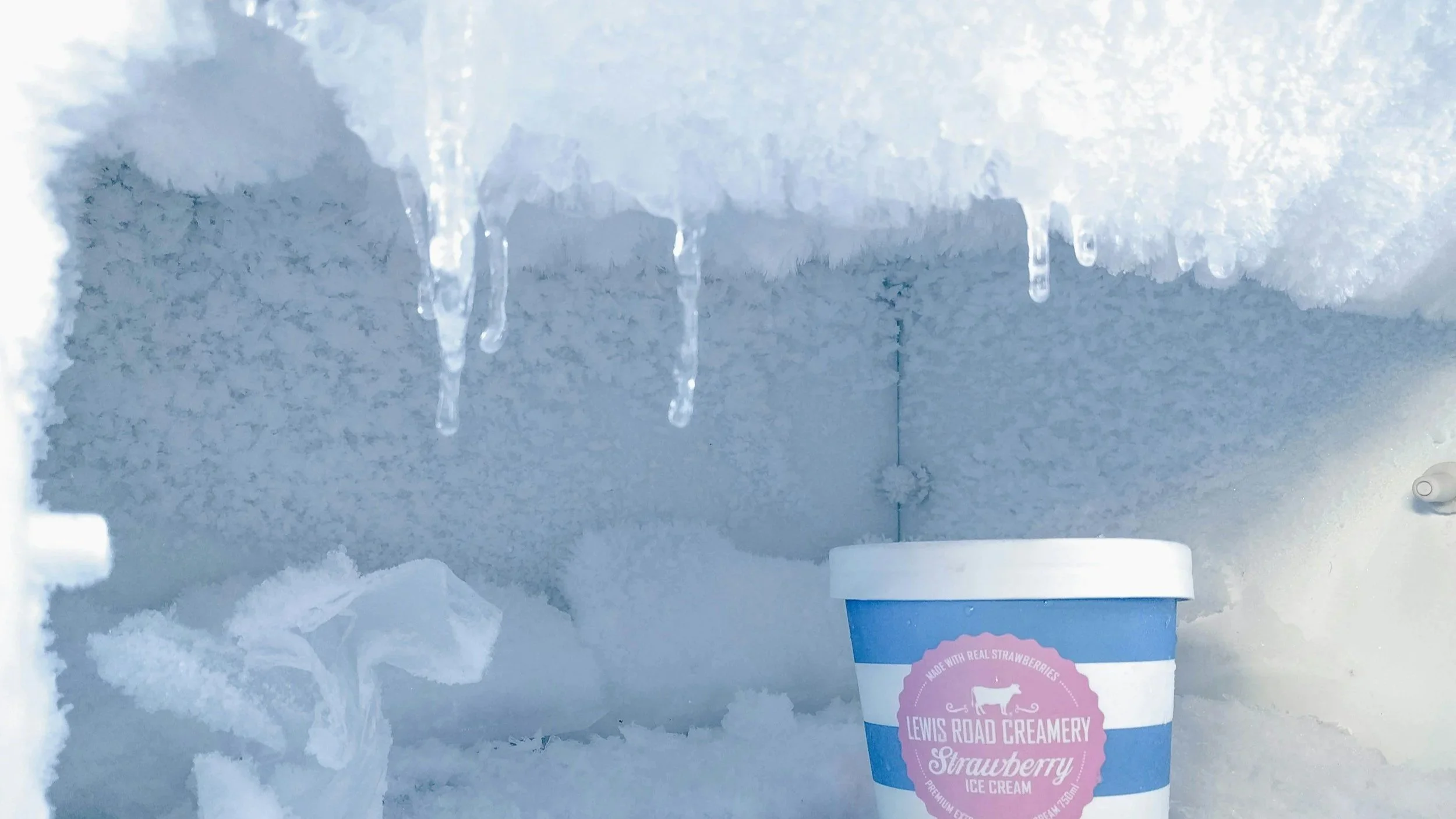
As temperatures drop across New York City, Brooklyn, Queens, the Bronx, Staten Island, Westchester, and Northern New Jersey, restaurant owners face a unique set of challenges with their commercial freezers. While the cold outdoor air might seem like it should help your freezer work less, the reality is often the opposite: fluctuating kitchen-to-outdoor temps, increased humidity contrasts, brittle door seals, and potential ice buildup can strain your equipment, spike energy bills, and risk food spoilage or costly downtime.
At Mico Cooling Corp., with 43 years of experience serving the NYC hospitality industry as a certified New York State Woman-Owned Business (MWBE), we've seen how proper winter maintenance keeps commercial freezers reliable and efficient—even during the harshest Northeast winters. Here are the essential maintenance tips to help your restaurant's freezers run smoothly, save energy, and avoid emergencies.
1. Inspect and Maintain Door Seals and Gaskets
Cold weather makes rubber gaskets brittle and prone to cracking. Damaged seals let warm kitchen air sneak in, forcing the compressor to work overtime and leading to uneven temperatures or frost buildup.
Quick Test: Place a dollar bill in the door frame—if it pulls out easily, the seal is weak.
Winter Action Steps:
Clean seals monthly with warm soapy water (avoid harsh chemicals).
Lubricate hinges and check for tears/cracks.
Replace worn gaskets immediately—it's one of the cheapest fixes with big energy savings.
Pro Tip: In NYC's variable winters, seals can degrade faster due to dry indoor heat contrasting with cold snaps.
2. Prevent Ice Buildup on Evaporator Coils and Drain Lines
Frozen evaporator coils block airflow, causing uneven cooling, higher energy use, and potential compressor strain. Frozen condensate drain lines lead to backups, spills, or electrical issues.
Common Winter Culprits: Humid kitchen air entering during door openings, faulty defrost timers, or low refrigerant.
Maintenance Essentials:
Schedule professional coil cleaning (condenser and evaporator) before winter peaks.
Ensure defrost cycles (automatic or manual) function properly—check timers and heaters.
Clear drain lines and pans to prevent freezing backups.
Regular professional inspections catch these early, preventing major issues like refrigerant leaks or fan malfunctions.
3. Clean Coils and Ensure Proper Airflow
Dirty condenser coils (often at the back or bottom) make your freezer run harder, especially when indoor heat contrasts with cold outdoor conditions.
Why It Matters in Winter: Even with cooler ambient air, dust and grease from kitchen exhaust build up year-round.
Steps:
Vacuum or brush coils gently every 1–3 months.
Keep surrounding areas clear—no boxes blocking vents.
For outdoor condensers (common in some setups), protect from snow/ice accumulation while ensuring airflow.
Clean coils can improve efficiency by 20–30%, directly cutting your utility bills.
4. Monitor and Optimize Temperature Settings
Freezers should hold steady at 0°F or below for food safety and quality.
Winter Adjustments:
Avoid setting too low—over-cooling wastes energy without benefits.
Use digital thermometers for accurate monitoring (many units have built-ins).
Keep units full (or add frozen water bottles if low) to stabilize temps—air circulates better in packed freezers.
Track temps daily during cold snaps; sudden fluctuations signal issues like low refrigerant or sensor problems.
5. Focus on Energy Efficiency to Cut Costs
NYC restaurants face high energy rates—efficient commercial freezers make a big difference.
Practical Tips:
Minimize door openings—train staff to grab what they need quickly.
Place units away from heat sources (ovens, direct sunlight, or hot exhaust).
Consider ENERGY STAR-certified upgrades for long-term savings (up to 20% more efficient).
Install LED interior lighting to reduce heat output.
Routine maintenance alone can slash energy use significantly—pair it with smart habits for maximum ROI.
6. Schedule Professional Winter Inspections
DIY checks are great for daily upkeep, but EPA-certified technicians spot hidden problems like refrigerant leaks, compressor stress, or evaporator fan issues that cause failures in cold weather.
Recommended: A pre-winter tune-up (fall) and mid-season check (January/February).
Benefits: Prevents emergencies, extends equipment life, ensures compliance, and often includes priority 24/7 service for breakdowns.
When to Call the Pros Immediately
Don't wait if you notice:
Excessive frost/ice inside
Unusual noises from compressor/fans
Temperature spikes or inconsistent cooling
Higher-than-normal energy bills
Strange odors or condensation
These are red flags for issues amplified by winter conditions.
Stay Ahead This NYC Winter
With proactive commercial freezer maintenance, you can keep your restaurant's inventory safe, reduce energy costs, and avoid disruptive breakdowns during the busy holiday and post-holiday seasons.
At Mico Cooling Corp., our 24/7 emergency team specializes in commercial refrigeration repair across NYC and surrounding areas. Whether it's a quick seal replacement or full winter prep, we're here to help.
Ready to winter-proof your freezers? Contact Mico Cooling today for a free inspection or seasonal maintenance quote. Call us or visit www.micocooling.com to schedule—because in NYC winters, reliable refrigeration isn't optional—it's essential.
Posted by Mico Cooling Corp. – Your Trusted Partner in Commercial Refrigeration, HVAC, and Hot Cookline Repair Since 1982.