
Why Preventive Maintenance Is Critical for NYC Restaurants’ Refrigeration & HVAC Systems
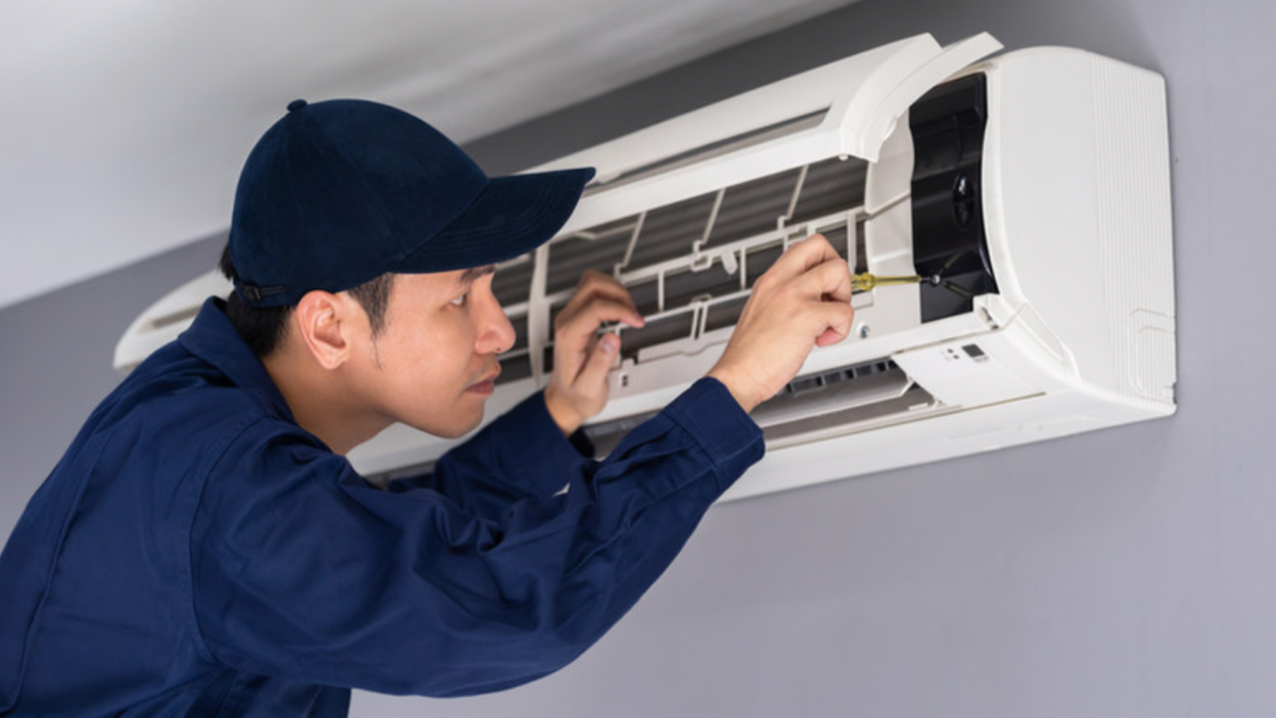
Running a restaurant in New York City means operating under some of the most rigorous health and safety standards in the country. Between surprise inspections, strict temperature requirements, and nonstop equipment use, even a minor mechanical failure can quickly turn into a major problem—especially when it comes to refrigeration and HVAC systems.
That’s where a well-structured Preventive Maintenance (PM) program becomes essential.
The Direct Link Between Preventive Maintenance and Health Inspections
NYC health inspections—conducted by the New York City Department of Health and Mental Hygiene—place heavy emphasis on proper food storage temperatures, ventilation, and overall equipment condition. Refrigeration and HVAC failures are among the most common causes of violations that can jeopardize a restaurant’s letter grade.
A proactive PM program helps ensure:
• Refrigeration units consistently hold safe food temperatures
• Walk-ins, reach-ins, and freezers operate within compliance ranges
• Exhaust hoods and HVAC systems maintain proper airflow and air quality
• Equipment issues are identified before they trigger violations or shutdowns
In short, preventive maintenance reduces the risk of costly surprises during inspections.
Protecting Your Restaurant’s Letter Grade—and Reputation
In NYC, a letter grade isn’t just a formality—it’s displayed publicly and influences customer trust. A single refrigeration failure can lead to food temperature violations, spoiled inventory, or forced disposal of product, all of which can negatively impact inspection results.
With routine maintenance, technicians can:
• Calibrate thermostats and controls
• Inspect compressors, coils, and fans
• Identify refrigerant leaks or airflow restrictions
• Confirm proper operation of HVAC systems that support kitchen ventilation
These steps help restaurants stay inspection-ready year-round, not just when an inspection is expected.
Preventive Maintenance Saves Money in the Long Run
Emergency repairs are disruptive and expensive—especially during peak service hours. Preventive maintenance reduces emergency calls by catching wear-and-tear early, extending equipment life, and improving overall system efficiency.
Benefits include:
• Fewer breakdowns during service
• Lower long-term repair costs
• Reduced energy consumption
• Longer lifespan for refrigeration and HVAC equipment
For NYC restaurants operating on tight margins, these savings add up fast.
Consistency in a 24/7 Operating Environment
Restaurants don’t shut down—and neither does the stress on their equipment. Refrigeration and HVAC systems run continuously, often in tight spaces and demanding conditions. Preventive maintenance ensures consistency and reliability, even during heat waves, cold snaps, and high-volume weekends.
A structured PM plan creates predictability in an otherwise unpredictable environment.
Why Preventive Maintenance Is Especially Important in NYC
New York City restaurants face unique challenges:
• Older buildings and infrastructure
• Limited space for equipment
• Extreme seasonal temperature swings
• High inspection frequency
Preventive maintenance isn’t optional—it’s a critical operational strategy that supports compliance, safety, and business continuity.
A Smarter Way to Stay Ahead
A strong PM program isn’t just about fixing equipment—it’s about protecting your business, your customers, and your reputation. By staying ahead of problems, restaurant owners can focus on what matters most: delivering great food and great experiences.
At Mico Cooling, we design preventive maintenance programs specifically for NYC restaurants and hospitality groups—covering refrigeration, HVAC, and hot cookline equipment—to help keep operations running smoothly and inspections stress-free.
Call us or visit www.micocooling.com — because in the restaurant world, downtime costs more than money; it costs momentum.
Posted by Mico Cooling Corp. – Your Trusted Partner in Commercial Refrigeration, HVAC, and Hot Cookline Repair Since 1983.